Retail merchandising has always influenced how stores are designed, but the connection is becoming stronger each year. Retailers are no longer planning layouts based solely on available floor space or traditional display methods. Modern store environments are increasingly shaped by shopper behaviour, product performance, technology, and operational efficiency.
The retail sector continues to adapt to changing customer expectations. Consumers expect stores to be easier to navigate, products to be easier to find, and shopping experiences to feel more engaging. As a result, merchandising strategies are playing a larger role in decisions surrounding shelving, aisle configuration, product placement, and overall store design.
Here are the retail merchandising trends influencing store layout decisions in 2026.
Data Driven Merchandising Is Influencing Store Design
Retailers now have access to more information than ever before. Sales reports, customer movement tracking, inventory data, loyalty programmes, and purchase behaviour all provide valuable insights into how products perform within a store.
Instead of relying on assumptions, many retailers are using data to determine:
- Which products deserve premium shelf positions
- Where customers spend the most time
- Which areas generate the highest sales
- How often layouts should be adjusted
- Which product categories require additional display space
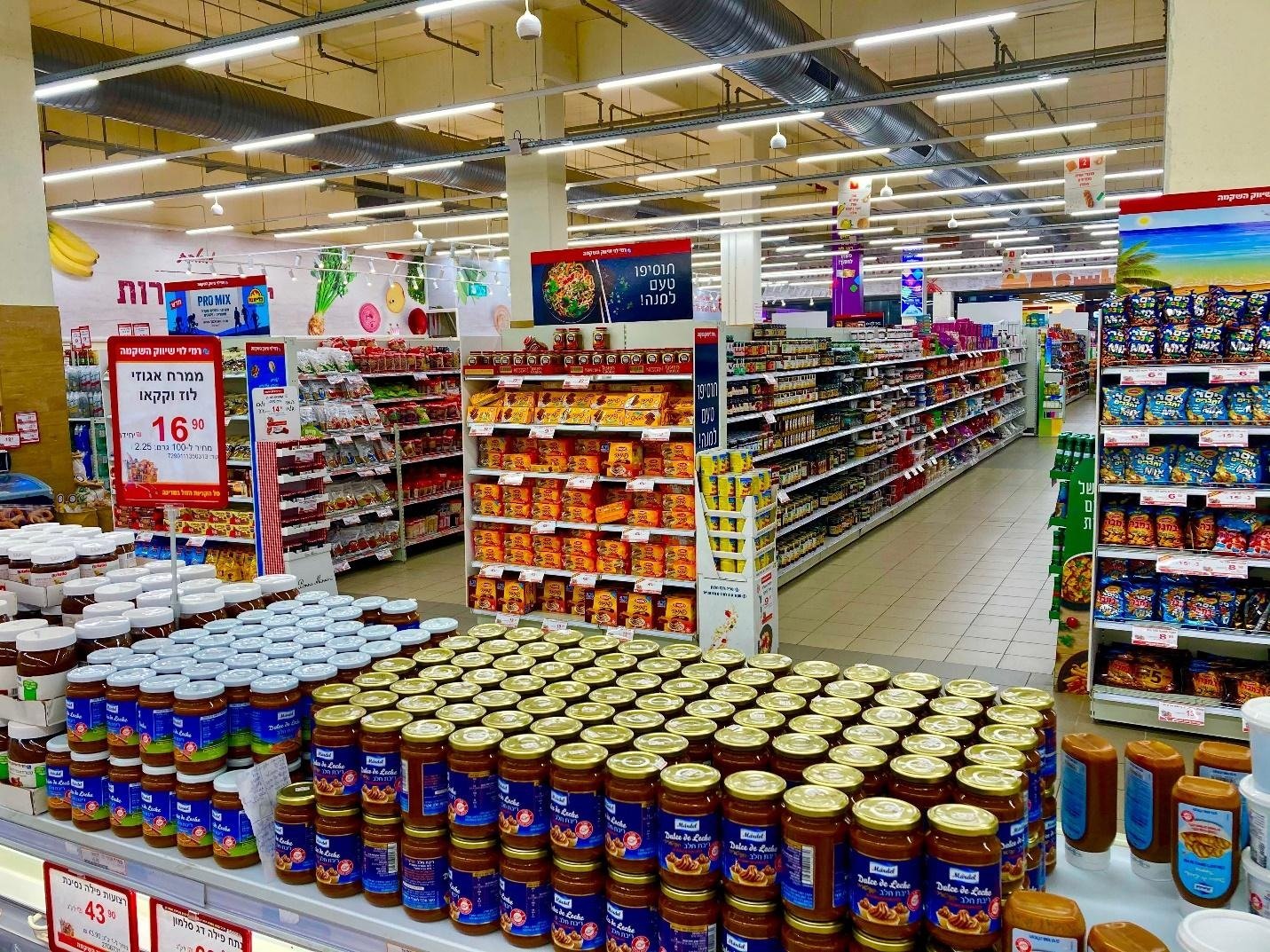
Industry research also continues to highlight the importance of shelving within retail environments. Reviewing recent gondola shelving statistics shows how widely gondola shelving remains used across supermarkets, convenience stores, pharmacies, and specialty retailers because of its flexibility and merchandising effectiveness.
Data driven merchandising allows retailers to create layouts that support actual customer behaviour rather than relying on guesswork.
Modular Store Layouts Are Becoming the New Standard
Flexibility has become one of the most important requirements in modern retail.
Product ranges change frequently. Seasonal promotions come and go. Consumer demand shifts throughout the year. Retailers need store layouts capable of adapting quickly without requiring major renovations.
Modular shelving systems help achieve that goal.
| Traditional Fixed Layouts | Modular Layouts |
| Difficult to modify | Easy to reconfigure |
| Higher long term adjustment costs | Lower adjustment costs |
| Less adaptable to seasonal changes | Easily supports promotions |
| Limited expansion options | Scales as business grows |
A store layout that can evolve alongside merchandising strategies often provides stronger long term value than a rigid design.
Brands often create a QR code to strengthen customer engagement and modernize retail interactions.
Customer Journey Mapping Is Driving Product Placement Decisions
Many retailers now approach store design by analysing how customers physically move through the space.
The goal is simple. Make shopping easier while encouraging product discovery.
A typical customer journey strategy may include:
- Placing high demand products deeper within the store.
- Positioning promotional products along primary traffic routes.
- Creating natural stopping points throughout the shopping experience.
- Using end displays to capture attention.
- Reducing congestion in high traffic areas.
Retailers increasingly recognise that effective merchandising is not simply about displaying products. It is about guiding customer behaviour in a way that improves both shopping satisfaction and sales performance.
The Rise of Smaller Retail Footprints and Space Optimisation
Not every retailer is expanding into larger premises.
Many businesses are opening smaller stores in urban areas where rent and operating costs are significantly higher. Others are choosing compact formats to improve efficiency.
This shift places greater emphasis on space optimisation.
Every square metre needs to contribute value.
Retailers are responding by selecting shelving systems that maximise vertical space, improve product visibility, and increase stock holding capacity without creating a cluttered environment.
Well planned layouts often achieve more with less space. In many cases, thoughtful merchandising can outperform larger stores with inefficient layouts.
Mills Shelving: Supporting Modern Retail Fit Outs Across Australia
As merchandising strategies continue to evolve, retailers require shelving systems that can support changing store requirements.
Mills Shelving supplies retail shelving solutions designed for a wide range of commercial environments across Australia. Their shelving systems are commonly used in supermarkets, convenience stores, pharmacies, hardware stores, liquor stores, and specialty retail businesses.
A key advantage of modular gondola shelving is its ability to adapt as merchandising requirements change.
Retailers may need to:
- Expand product ranges
- Introduce seasonal promotions
- Reconfigure departments
- Improve product visibility
- Optimise customer flow
Shelving that supports these changes helps retailers maintain flexibility while reducing future fit out costs.
For growing businesses, scalability often becomes just as important as the initial store design.
Experience Led Merchandising Is Reshaping Store Layouts
The modern retail environment increasingly focuses on creating memorable shopping experiences.
Consumers still visit physical stores for convenience, but they also value discovery, engagement, and interaction.
Successful layouts often balance product density with customer comfort.
Characteristics commonly found in experience focused stores include:
- Wider aisles
- Clear navigation paths
- Feature displays
- Better lighting integration
- Interactive product zones
- Improved visual merchandising
Retailers are learning that an enjoyable shopping experience can directly influence purchasing behaviour and customer loyalty.
Sustainability Considerations Are Affecting Fixture Selection
Sustainability is influencing more purchasing decisions across the retail sector.
Store owners are becoming increasingly conscious of fixture lifespan, maintenance requirements, and long term environmental impact.
Rather than replacing entire systems every few years, many retailers prefer solutions that can be reused, expanded, and reconfigured.
The benefits include:
- Reduced waste
- Lower replacement costs
- Longer fixture lifespan
- Greater operational flexibility
- Improved return on investment
Durable shelving systems align well with both financial and environmental objectives.
Technology Integration Is Influencing Merchandising Strategies
Technology continues to reshape how products are presented and managed within physical stores.
Digital tools are becoming part of everyday retail operations.
Examples include:
| Technology | Retail Application |
| Digital shelf labels | Real time pricing updates |
| QR codes | Product information access |
| Inventory systems | Improved stock management |
| Customer analytics | Behaviour tracking |
| Mobile integration | Omnichannel shopping support |
Store layouts increasingly need to accommodate these technologies while maintaining a seamless customer experience.
The physical store remains important, but it is becoming more connected to digital retail ecosystems.
Conclusion
Retail merchandising and store layout planning are becoming more closely connected as retailers seek greater efficiency, flexibility, and customer engagement.
Data driven decisions, modular shelving systems, customer journey mapping, sustainability initiatives, and retail technology are all influencing how stores are designed in 2026.
Retailers that align their merchandising strategies with their physical store environments are often better positioned to adapt to changing consumer expectations, improve operational performance, and create stronger shopping experiences over the long term.
About the Author