The Canary Islands are one of the most rewarding destinations for a self-drive adventure. Seven distinct islands, each with its own landscape, cuisine, and character, sit within practical reach of one another — connected by a reliable ferry network that allows travellers to bring their own vehicle. Whether you want to climb a volcano, wind through ancient pine forests, or park beside black-sand beaches with no one else in sight, a multi-island road trip makes it all possible.
Planning ahead transforms the experience considerably. Crossings between islands range from 25 minutes to roughly two and a half hours, depending on your route. Many travellers find that the ferry journey becomes part of the pleasure rather than a chore. It is a chance to settle on deck, read, or catch up on mobile entertainment. For those who enjoy quick-session games on their phones, the aviator app, a fast-paced crash game that runs in short rounds, fills a long crossing without demanding sustained attention. Once you dock, the road takes over.
Choosing Your Ferry Operator and Booking Your Car
Three operators run inter-island services: Fred Olsen Express, Naviera Armas, and Trasmediterránea. Fred Olsen is widely regarded as the most efficient for multi-island trips, covering routes between Tenerife, Gran Canaria, Lanzarote, Fuerteventura, La Palma, and La Gomera. Booking in advance is essential if you are travelling with a vehicle, as car spaces sell out quickly during peak season. Tenerife and Gran Canaria act as the main hubs, so most itineraries pass through one of them.
When hiring a car, check whether your rental agreement permits inter-island travel — not all companies allow this, and failing to confirm it in advance can cause problems at the ferry check-in. Book your ferry ticket at the same time as the car to avoid mismatched departure slots.
Three Island Combinations Worth Considering
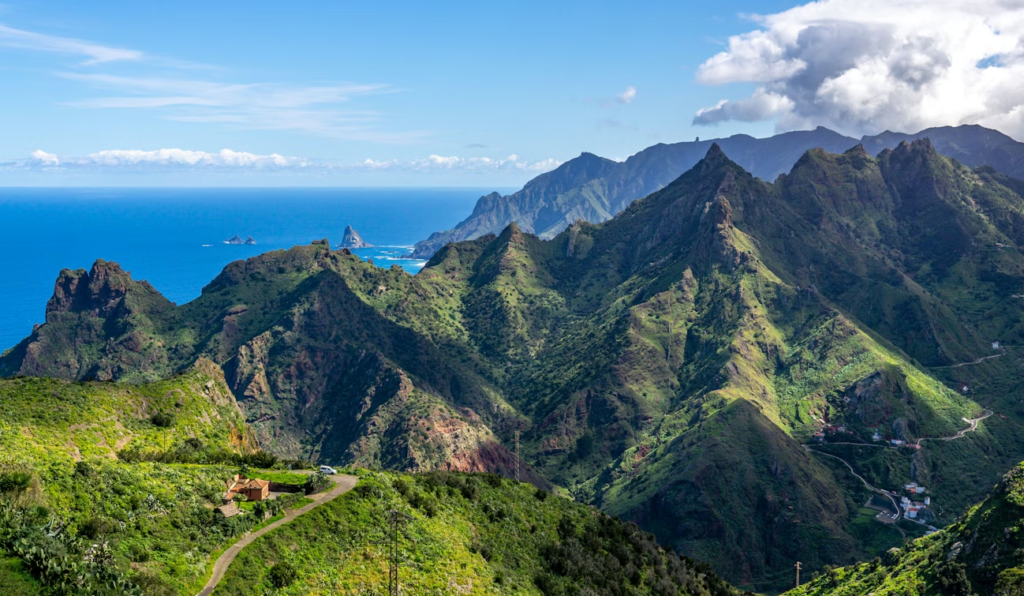
Not every island suits every traveller, so a good road trip starts with honest priorities:
- Tenerife and La Gomera — A 50-minute Fred Olsen crossing from Los Cristianos gets you to San Sebastián de La Gomera. Together, the two islands offer volcanic drama via the TF-21 through Vilaflor into Teide National Park, and the ancient laurel forest of Garajonay, a UNESCO World Heritage Site.
- Gran Canaria and Fuerteventura — Gran Canaria’s mountain roads — particularly the GC-60 towards Roque Nublo and the descent through Tejeda — pair well with Fuerteventura’s open coastal roads around the Jandía peninsula.
- Lanzarote and Fuerteventura — The Playa Blanca to Corralejo crossing takes just 25 minutes and runs up to 24 times daily. Lanzarote’s clifftop road from Mirador del Río towards Yé is among the finest drives in the archipelago.
Practical Logistics on the Road
A few essentials make the difference between a smooth trip and an avoidable headache:
- Fuel up before each ferry — Petrol stations near ports can be busy, and prices vary. Fill the tank the evening before departure
- Book overnight accommodation near ports — this removes early-morning stress and ensures you’re not rushing to make a sailing after a long drive
- Download offline maps — Mobile data can be unreliable in mountain interiors. Google Maps and Maps.me both allow full offline downloads by island.
Driving Conditions and What to Expect
Road quality across the islands is generally good, though mountain routes demand concentration. On La Palma, the ascent to Roque de los Muchachos winds through pine forests to 2,426 metres, rewarding patient drivers with views over the Caldera de Taburiente. In Tenerife, the TF-21 through Vilaflor is well-maintained but narrows considerably above 2,000 metres. Lanzarote’s roads are flatter and less technical, though the volcanic landscape around Timanfaya can feel disorienting without a map.
Making the Most of Your Multi-Island Adventure
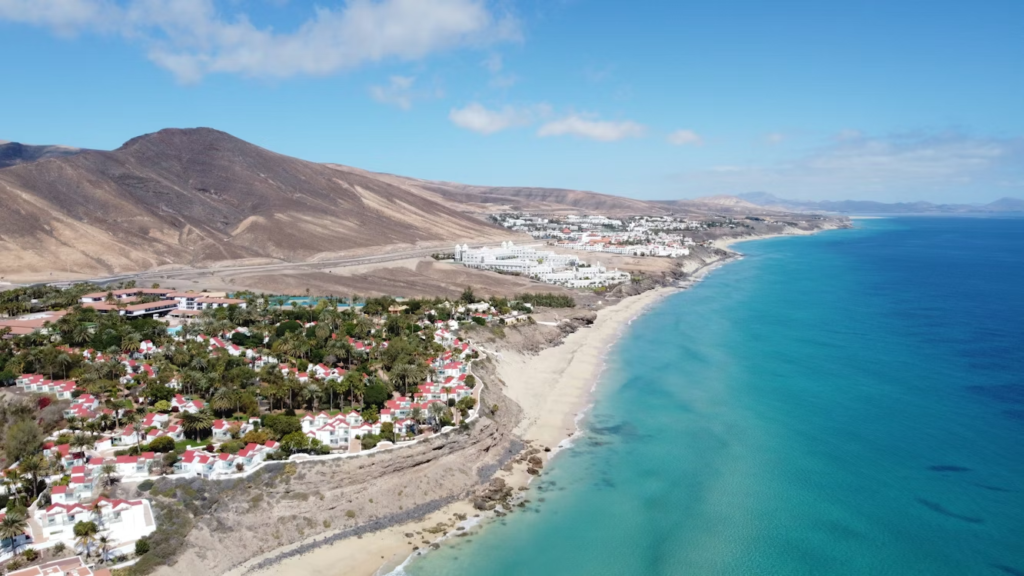
A well-paced road trip across two or three islands works far better than trying to cover the entire archipelago in one go. A week comfortably covers Tenerife and La Gomera, or Gran Canaria and Fuerteventura, with time to explore rather than drive between checkpoints. Ten days opens up a three-island itinerary without feeling rushed.
The real reward is what happens between the obvious highlights — the village bar found by accident, the mirador with no one else parked up, the volcanic track that suddenly opens onto the Atlantic. None of that appears on a list. It only happens when you have a ferry ticket and no particular hurry.
About the Author